3 steps to save a life: check, call, CPR
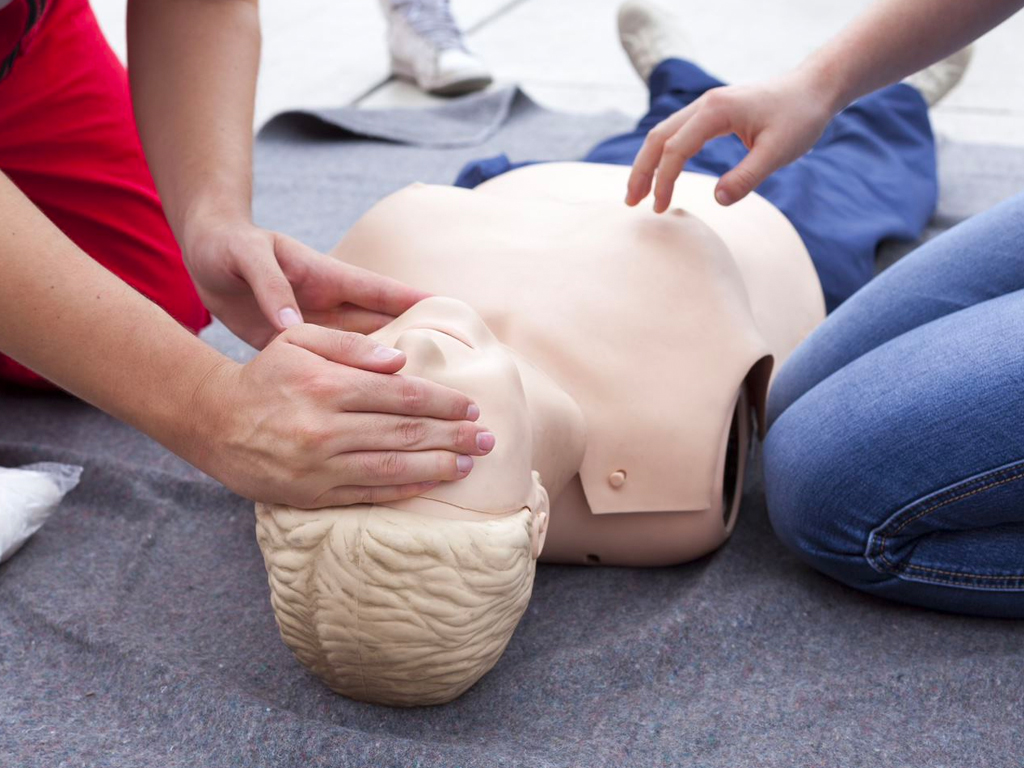
If you see someone has collapsed, their heart may have suddenly stopped beating, and their breathing may be abnormal or has stopped. You need to act fast so they can have the best chance of survival. Without quick action, the person will die.
How to do CPR
By developing the skills and confidence to follow these simple steps, you could be a lifesaver in an emergency.
Before you approach the person who has collapsed, check your surroundings for danger.
1. Check for a response
- Shout for help and gently shake the person who has collapsed to check for a response.
2. Call 999
- Put the phone on loudspeaker and tell them you are with someone who has collapsed and is not responding.
3. Look and listen for signs of normal breathing
- Look for the rise and fall of their chest.
- The ambulance call handler will help you check for signs of normal breathing.
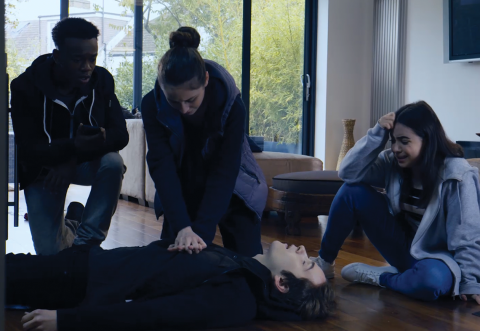
4. Start chest compressions
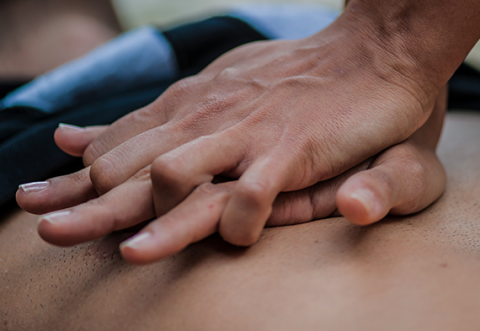
- Interlock your fingers.
- Place your hands in the centre of the chest.
- Push down hard and then release twice per second, and don’t stop.
The ambulance call handler will help you.
5. Rescue breaths
- If you have been trained to provide rescue breaths, alternate 30 chest compressions with 2 rescue breaths.
- When providing rescue breaths, deliver just enough air to make the chest start to rise; avoid excessive ventilation.
- If you are unable to ventilate the chest after 2 attempts, consider foreign body airway obstruction (refer to first aid).
- If you are not trained to provide rescue breaths, perform continuous chest compressions without interruptions.
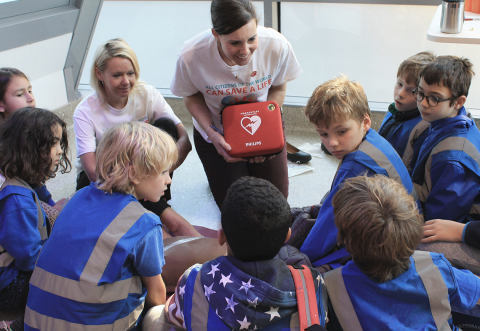
6. The ambulance call handler will tell you where the nearest automated external defibrillator (AED) is. If someone is with you, ask them to fetch it and bring it back.
7. If you have a defibrillator, switch it on and follow the instructions
- Follow the audio/visual prompts from the defibrillator. It will tell you exactly what to do.
- Attach the electrode pads to the person’s bare chest. Ensure the pad on the person’s left side is attached directly under the armpit.
Image

- If the person is wearing a bra, place the pads in the correct position under the fabric of the bra. If the bra interferes with correctly locating the pad position, then the bra should be removed.
- If more than one rescuer is present, continue CPR while the pads are being attached.
- Visit our defibrillator page for more information about defibrillators.
8. Continue CPR
Continue giving CPR until:
- the AED asks you to pause while it re-analyses and gives another shock if needed
- an ambulance crew arrives and tells you what to do
- the person shows signs of life.